What Is Value Acceptance? Appraisal Waivers, Explained for Lenders
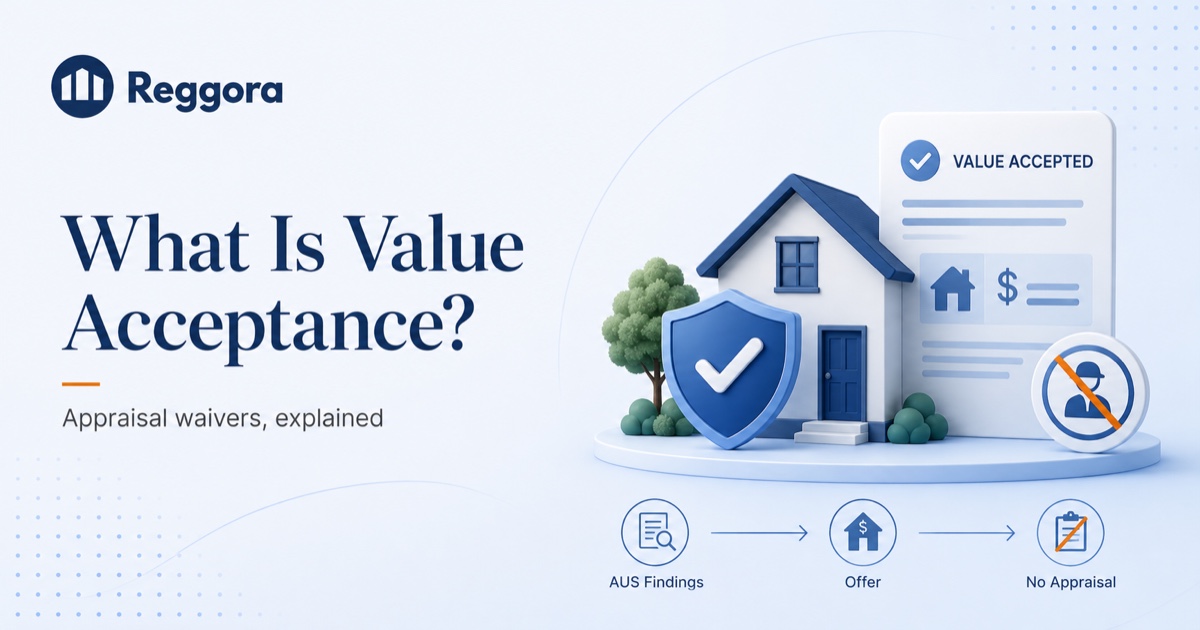
Value acceptance, known for years as an appraisal waiver, means the GSE accepts an eligible loan without an appraisal. The automated underwriting system offers it on a specific loan; if the lender exercises the offer, no appraiser is engaged, no report is produced, and the transaction proceeds on the strength of the GSE's data and models.
The short answer: no inspection, no appraiser, no report. The GSE accepts the lender-submitted value based on its own data and models, and grants rep-and-warranty relief on the value for doing so. Fannie Mae calls it value acceptance; Freddie Mac's program is ACE (automated collateral evaluation).
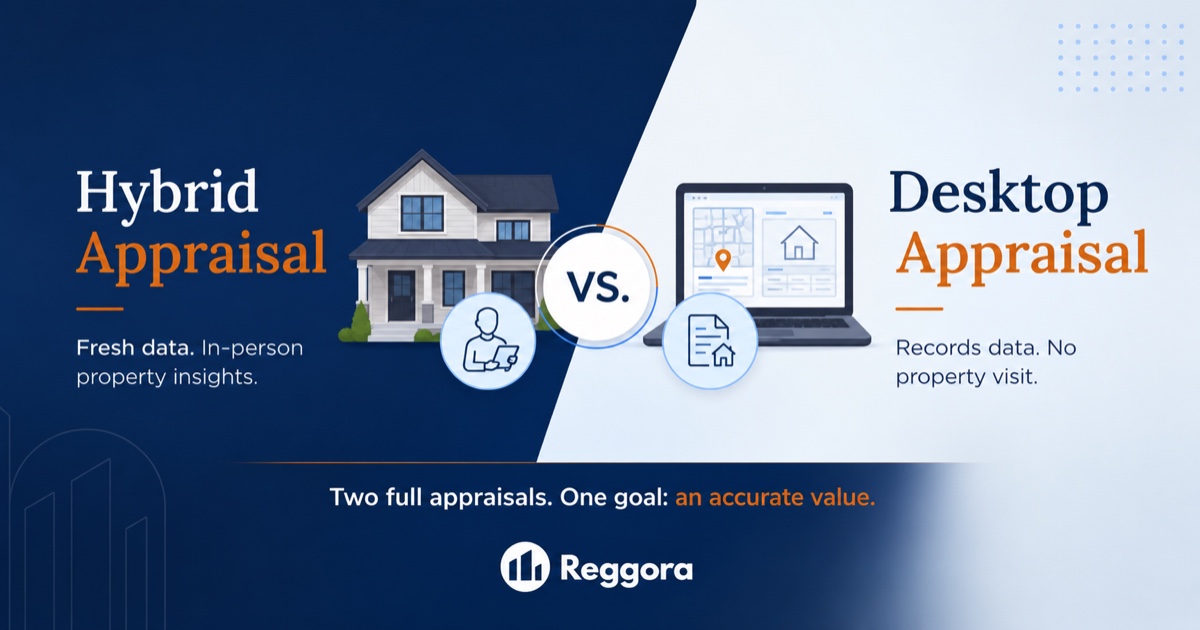
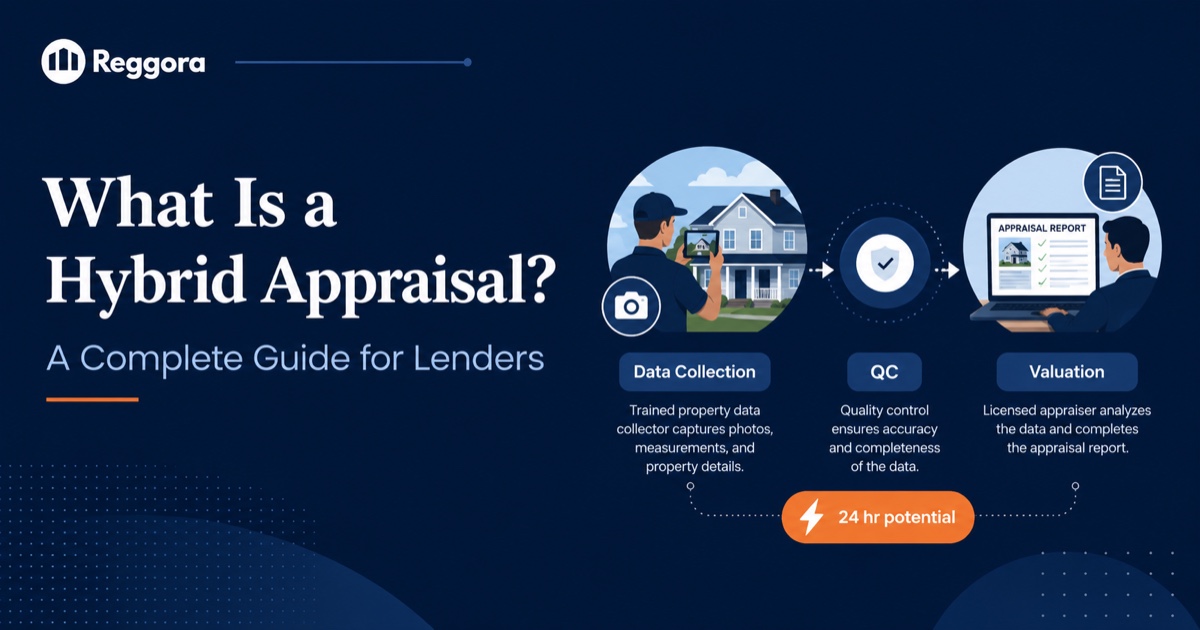
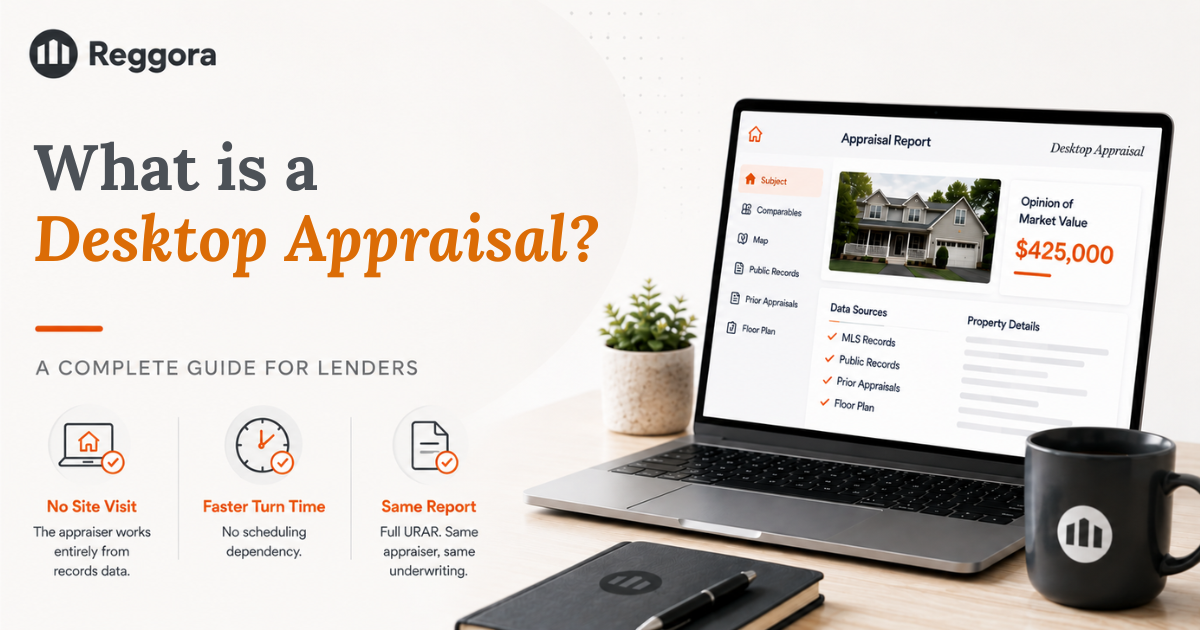
Value acceptance sits at the far end of the valuation spectrum we've covered in this series, past hybrid appraisals and desktop appraisals, where a licensed appraiser still produces a full report. This guide covers how the offer works, the property-data variants that add an inspection without an appraiser, where waivers make sense, and where they don't.
How a value-acceptance offer works
Eligibility is entirely model-driven. When a loan casefile is submitted, DU or LPA evaluates the property and transaction against the GSE's data (prior appraisals in its database, market data, automated valuation signals) and returns a value-acceptance offer in the findings when the model is confident in the submitted value. Three things follow from that design:
- You can't request one. The offer either appears in the findings or it doesn't, loan by loan.
- The offer is conditional. Change the loan amount, the transaction type, or the submitted value, and the offer can disappear on resubmission.
- Exercising it is optional. A lender can always order an appraisal anyway, and sometimes should.
When a valid offer is exercised and the loan is delivered per guide requirements, the GSE grants relief from representations and warranties on the property value.
The property-data variants: an inspection without an appraiser
The pure waiver's weakness is obvious: nobody looks at the property. The GSEs' answer is a middle tier: Value Acceptance + Property Data at Fannie Mae and ACE+ PDR at Freddie Mac (offered via feedback code FPA0100 on the LPA Feedback Certificate). A trained, background-checked property data collector inspects the home under the GSEs' standardized data protocol (the same kind of collection that powers a hybrid appraisal) and the data package supports the transaction. Still no appraiser, still no report, but the condition-risk gap is closed.
For the full program mechanics on the Fannie Mae side, see our companion piece: Fannie Mae's Value Acceptance + Property Data Program: What Lenders Need to Know.
Where value acceptance sits on the valuation spectrum
| Traditional | Hybrid | Desktop | Value acceptance + property data | Value acceptance | |
|---|---|---|---|---|---|
| Who visits the property | The appraiser | A data collector | Nobody | A data collector | Nobody |
| Who values the property | Licensed appraiser | Licensed appraiser | Licensed appraiser | No one (GSE accepts the value) | No one (GSE accepts the value) |
| Report | Full URAR | Full URAR | Full URAR | Property data package only | None |
| Speed | Days to weeks | As fast as 24 hours | Fast | Days (collection only) | Instant |
| Appraisal fee | Full | Full | Full | Collection fee only | None |
| Eligibility | Any loan | Broad, per AUS offer | Narrow, per AUS offer | Per AUS offer | Narrowest (model-priced loans only) |
When to exercise the offer, and when to order the appraisal anyway
Exercise value acceptance when:
- Speed and cost dominate: the waiver is instant and saves the borrower the appraisal fee
- The property is well-documented in GSE data (recent prior appraisal, conforming property, active market)
- It's a rate-and-term refinance where the borrower's equity position is comfortable
Think twice when:
- It's a purchase where the contract price may run ahead of the market: the waiver accepts the value; it doesn't protect the borrower from overpaying
- Property condition is uncertain: nobody is looking at the home; if condition matters, the property-data variant or a hybrid exists for exactly this reason
- The borrower or their agent wants independent confirmation of value: "the computer said it's fine" is not always a satisfying answer at the closing table
The operational takeaway: value acceptance isn't a product you standardize on; it's an offer you evaluate loan by loan. The lenders that use it well have a decision rule (exercise on refis under a given LTV, order the appraisal on purchases near contract price, use the property-data variant when condition is the open question) instead of a blanket policy.
Value acceptance and UAD 3.6
The UAD 3.6 mandate (November 2, 2026) redefines the appraisal report, and a waiver produces no report, so pure value acceptance is largely untouched. The property-data variants are part of the same modernization program, using the GSEs' standardized property dataset, and the through-line is the one that matters for planning: every valuation option is converging on structured data, whether an appraiser signs it or not. Lenders building their post-mandate stack should treat waivers, property-data collections, hybrids, and full appraisals as one spectrum managed through one workflow.
Frequently asked questions
What is value acceptance in mortgage lending?
Value acceptance is the GSEs' term for accepting an eligible loan without an appraisal: the automated underwriting system offers it on a specific loan, and if the lender exercises the offer, no appraiser is engaged and no appraisal report is produced. Fannie Mae adopted the term in 2023 to replace "appraisal waiver"; Freddie Mac's equivalent program is ACE (automated collateral evaluation).
Is value acceptance the same as an appraisal waiver?
Yes, same thing, newer name. Fannie Mae renamed appraisal waivers to "value acceptance" as part of its valuation-modernization framing, to emphasize that the GSE is accepting the lender-submitted value based on its data and models rather than waiving diligence.
What is Value Acceptance + Property Data?
A middle option between a full waiver and an appraisal. A trained, background-checked property data collector inspects the home under the GSEs' standardized protocol, and the resulting data package supports the transaction, but no appraiser is engaged and no appraisal report is produced. Freddie Mac's counterpart is ACE+ PDR, offered via feedback code FPA0100 on the LPA Feedback Certificate.
How do I know if a loan qualifies for value acceptance?
The AUS decides loan by loan. DU and LPA evaluate the transaction against the GSEs' data and models and return a value-acceptance offer in the findings when the loan qualifies. There is no way to request one; eligibility is model-driven, and the offer can change if the loan characteristics change before closing.
Does value acceptance carry rep-and-warranty relief?
Yes. When a lender exercises a valid value-acceptance offer and delivers the loan per guide requirements, the GSE provides relief from representations and warranties on the property value: the GSE accepted the value based on its own data and models.
When should a lender avoid value acceptance?
The classic caution cases: purchase transactions where the contract price may be above what the market supports (the waiver accepts the value; it doesn't validate it for the borrower's benefit), borrowers who want independent confirmation of what they're paying, and situations where property condition is uncertain (a waiver produces no inspection at all, which is exactly what the property-data variants exist to address).
Where Reggora fits
Reggora manages the full valuation spectrum in one platform: AUS-informed product selection, property data collection through a 50-state network, and hybrid and traditional appraisal fulfillment with a 24-hour-capable workflow. If you're building a valuation strategy that uses each option where it's strongest, talk to our team or see how Streamlined Appraisal works.